
Objective
This simulation helps students understand why international cooperation on counterterrorism is often inconsistent and fragmented.
Students experience how sovereignty, political incentives, and institutional limitations shape international decision-making.
These dynamics explain why the global counterterrorism regime has developed incrementally and unevenly rather than through a unified international strategy.
Scenario
Following the collapse of a terrorist organisation’s territorial control, thousands of foreign fighters and their families remain detained in camps abroad.
Many countries must decide whether to:
- repatriate their citizens
- prosecute them domestically
- strip citizenship
- leave detainees in regional camps
- create rehabilitation programmes
An emergency meeting is convened between three actors to coordinate a response.
The actors must attempt to produce a joint policy statement within 60 minutes.
Actors (3 roles)
1. Western State
Position: Concerned about national security and domestic politics.
Goals:
- Prevent security threats at home
- Avoid political backlash
- Maintain international credibility
Preferences:
- Limited repatriation
- Citizenship removal for some fighters
- Prosecution when possible
Constraint: Public opinion strongly opposes bringing fighters back.
—
2. regional State
Position: Hosts detention camps holding thousands of foreign fighters.
Goals
- Share the burden with foreign governments
- Avoid long-term responsibility for detainees
- Secure international financial and security support
Preferences
- Encourage repatriation
- International assistance
Constraint: Limited resources and security capacity.
—
3. UNITED NATIONS representative
Position: Promotes international coordination and adherence to international law.
Goals:
- Encourage repatriation and rehabilitation
- Prevent long-term radicalization
- Promote human-rights-based responses
Constraint: Cannot force states to cooperate.
How this plays out
Simulation Timeline (60 minutes)
1. Introduction (5 minutes)
Instructor explains:
- scenario
- actor roles
- objective: negotiate a joint policy response
2. Opening Statements (10 minutes)
Each actor presents their position.
Typical dynamics:
Western state emphasizes security risks
Regional state emphasizes burden-sharing
UN emphasizes international norms
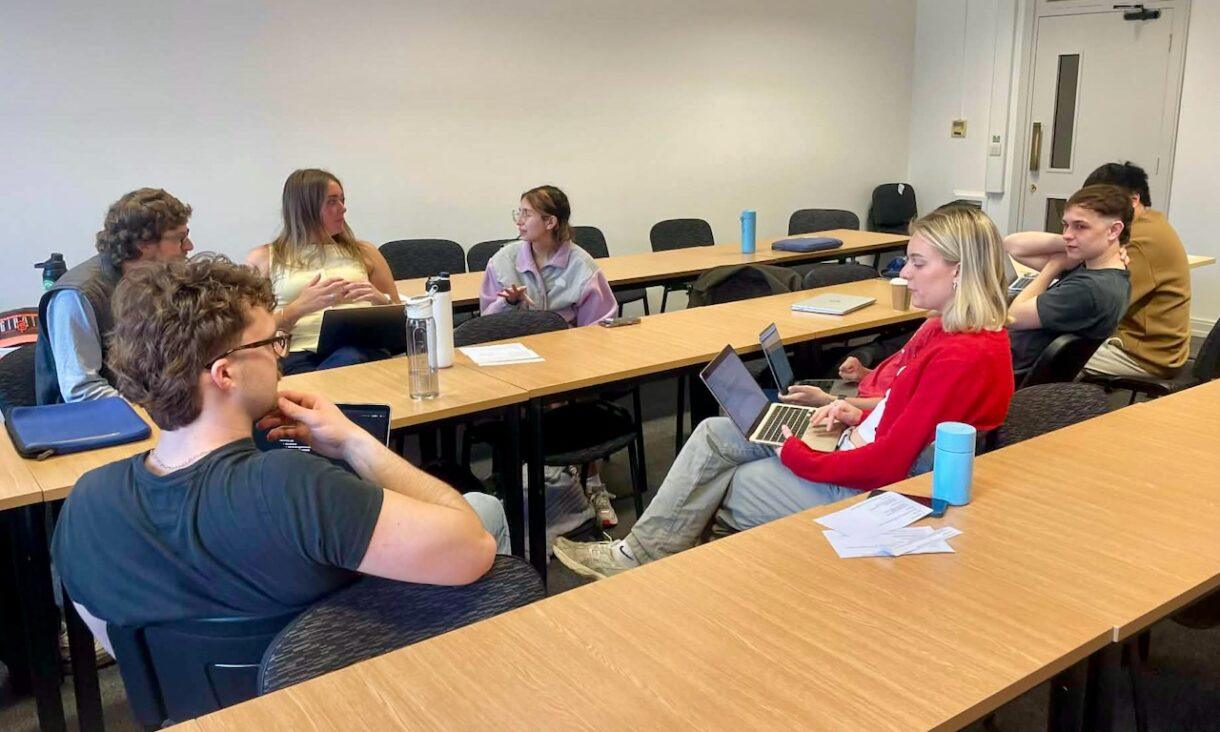
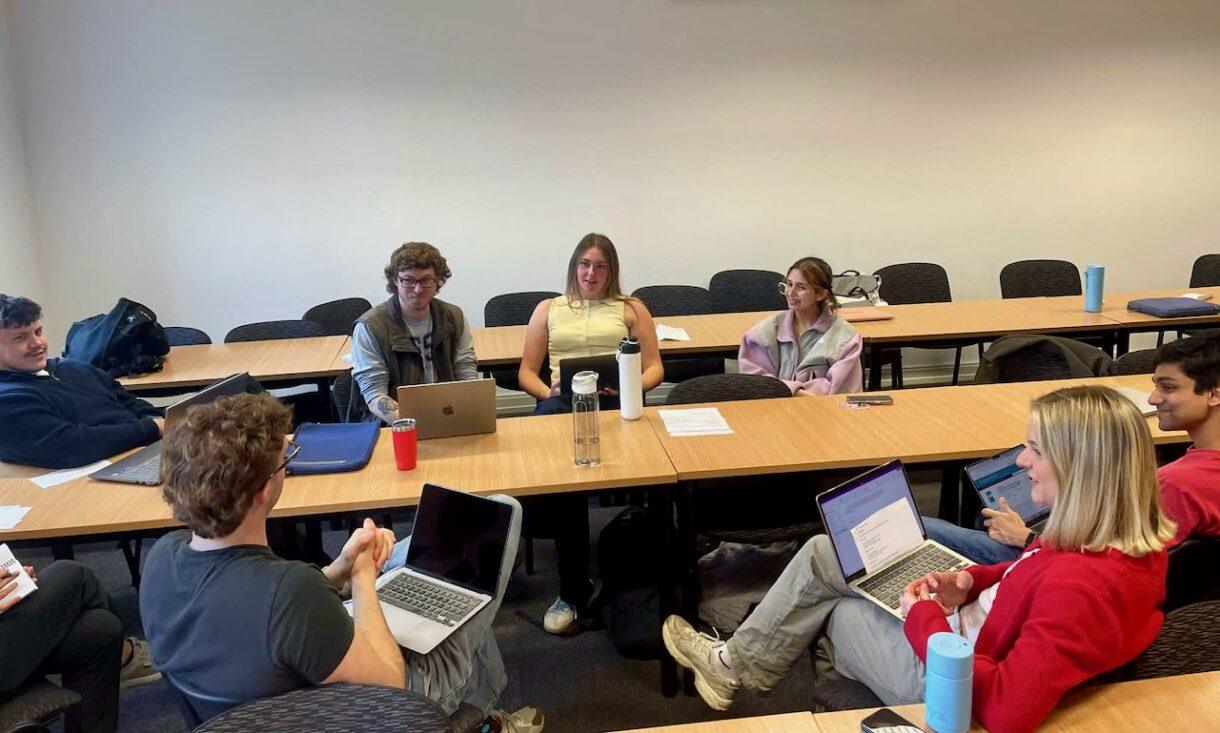
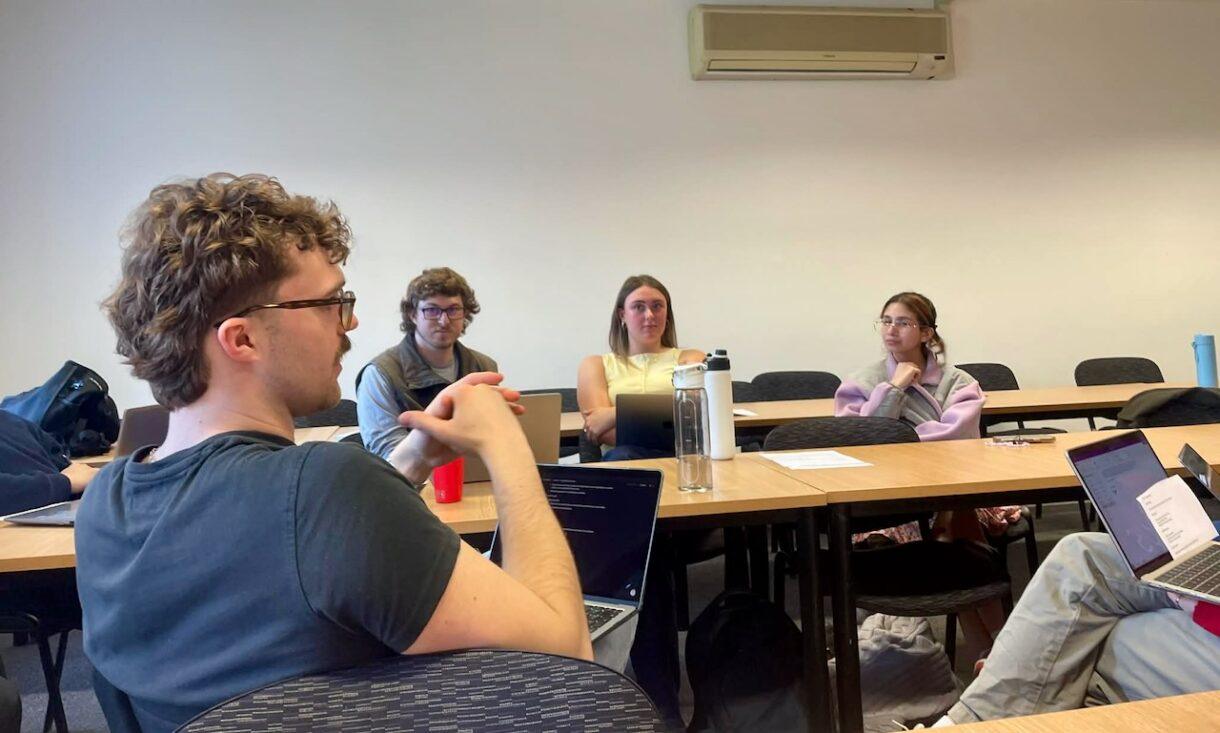
Actors debate:
- whether states should repatriate fighters
- responsibility for detention camps
- prosecution and rehabilitation
Students typically begin to notice that interests conflict.
—
4. Crisis Update (5 minutes)
Instructor introduces new information:
> Conditions in detention camps are deteriorating and several detainees have escaped. This increases pressure for cooperation!
—
5. Negotiation Round 2 (15 minutes)
Actors attempt to reach compromise.
Possible outcomes:
- partial repatriation
- UN rehabilitation programmes
- financial assistance for camps
- continued disagreement
—
6. Joint Statement (5 minutes)
Actors must produce 3–5 policy commitments.
Instructors wrap up
Debrief and Explicit Learning Outcomes Connection (10 minutes)
Question 1: Why did the actors disagree about the policy response?
Answer:
Actors disagreed because they had different political incentives and responsibilities
The Western state prioritised domestic political costs and security concerns.
The Regional state prioritised burden-sharing and stability.
The UN prioritised international law and long-term reintegration strategies.
Connection to the simulation and lecture
Students experienced this when the Western state resisted repatriation while the Regional state demanded it.
The lecture shows that counterterrorism is not uniformly in every state’s interest, which leads to divergent policy preferences.
Question 2: Why could the United Nations not simply impose a solution?
Model Answer
International organisations lack the authority to override state sovereignty.
They can: coordinate, advise, encourage cooperation, BUT states ultimately control their own security policies!
Connection to the simulation and lecture
The UN actor could propose solutions but could not force states to repatriate fighters.
International counterterrorism cooperation has historically **preserved state sovereignty**, which limits enforcement power.
Question 3: Why is international cooperation so inconsistent?
Answer: International cooperation is inconsistent because:
A. States have different interests and incentives
B. Governments want to protect sovereignty
C. Political pressures influence security policy
D. States do not fully trust each other with intelligence or responsibility
Connection to the simulation and lecture
Students experienced these dynamics directly:
- The Western state resisted repatriation due to domestic politics
- The Regional state demanded burden-sharing due to capacity constraints
- The UN attempted coordination but lacked authority due to sovereignty limits
These conflicting incentives prevented a fully unified response.
The lecture explains that mistrust, sovereignty concerns, and diverging interests have caused the international counterterrorism regime to develop slowly and in a piecemeal way rather than through comprehensive cooperation.
Key Takeaway for Students
Students should leave the simulation understanding that:
- International counterterrorism cooperation is politically constrained.
- Even when states face a common threat, their interests and domestic pressures differ.
- As a result, cooperation often emerges incrementally and inconsistently rather than through unified global strategies.